We use cookies on our website.
Some of them are necessary for the functioning of the site, but you can decide about others.

Michael Pihach is an award-winning journalist with a keen interest in digital storytelling. In addition to PAX, Michael has also written for CBC Life, Ryerson University Magazine, IN Magazine, and DailyXtra.ca. Michael joins PAX after years of working at popular Canadian television shows, such as Steven and Chris, The Goods and The Marilyn Denis Show.
Transport Minister Steven MacKinnon is not guaranteeing that costs for travellers won’t rise under Ottawa’s plan to bring private investment into the operations of Canada’s four largest airports, but says the government intends to prevent “unjustified” increases.
In an interview with CTV Question Period on Sunday (Sept. 20), MacKinnon was pressed by host Vassy Kapelos on whether Canadians could be assured that ticket prices would not increase as the federal government moves ahead with its airport privatization plan.
“We will have a program, as the prime minister announced, that will reward regional connectivity in Canada,” MacKinnon said, noting that airfares are “too expensive.”
“This program is designed to reinvest partly in our air travel in Canada and make the regions and our largest airports more connected,” he added.
READ MORE: Carney seeks private investment to operate Canada’s four biggest airports
MacKinnon pointed to Canadian communities that currently have limited or no air service, as well as gaps in aviation infrastructure.
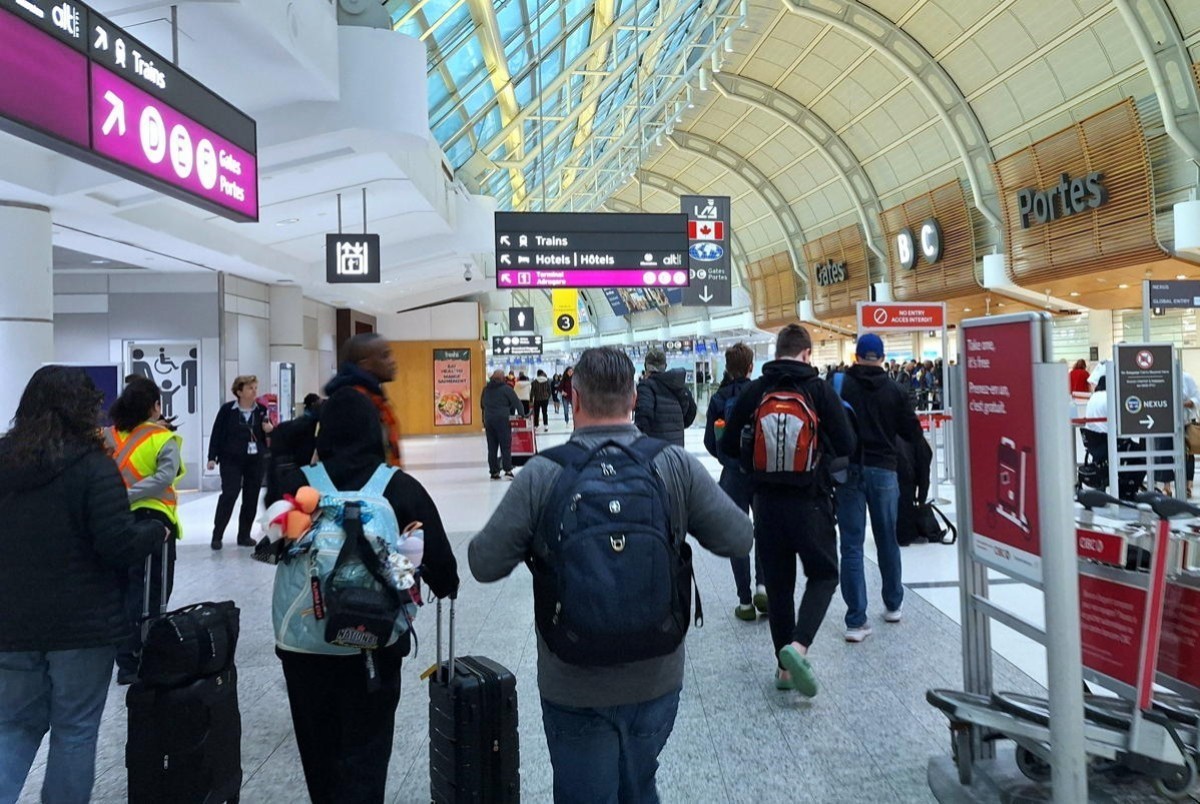
The minister also said Ottawa intends to invest in the “passenger experience,” adding that he does not expect travellers to notice a difference as the operating model changes.
MacKinnon said the framework governing the four airports would include regulation, “so fares and fees will be partially regulated.”
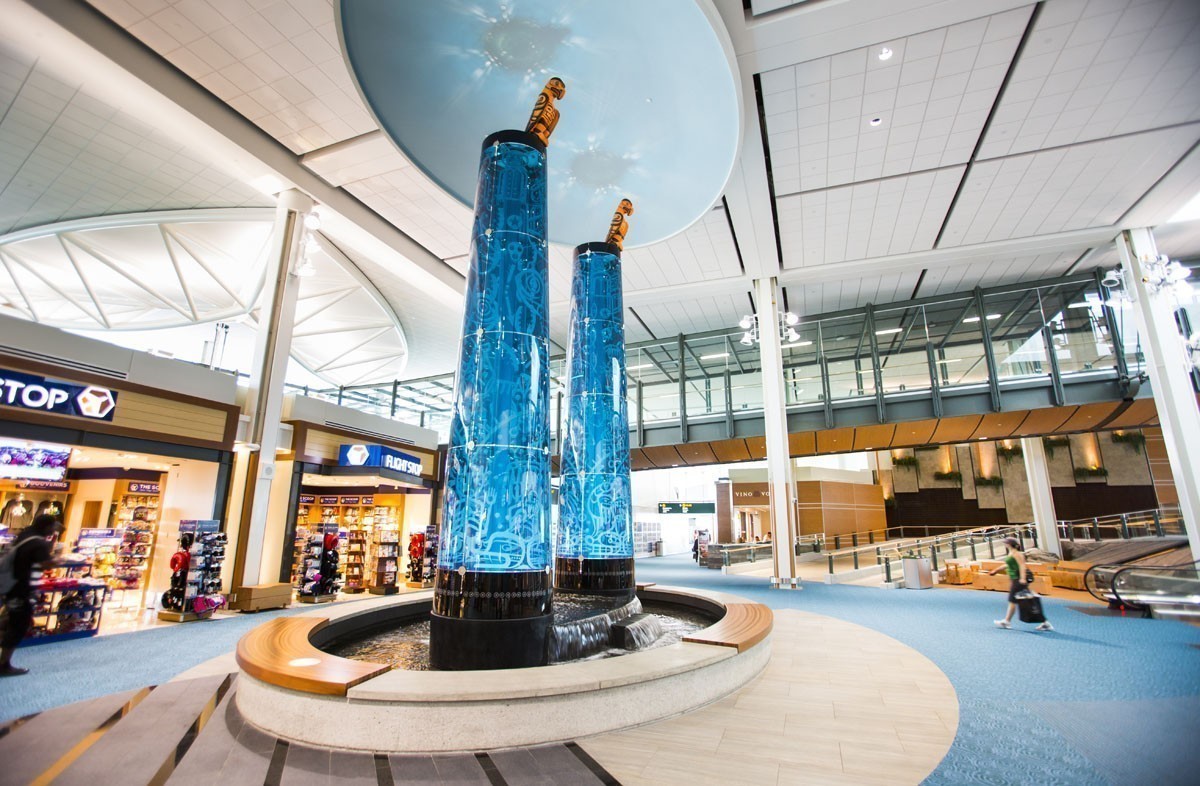
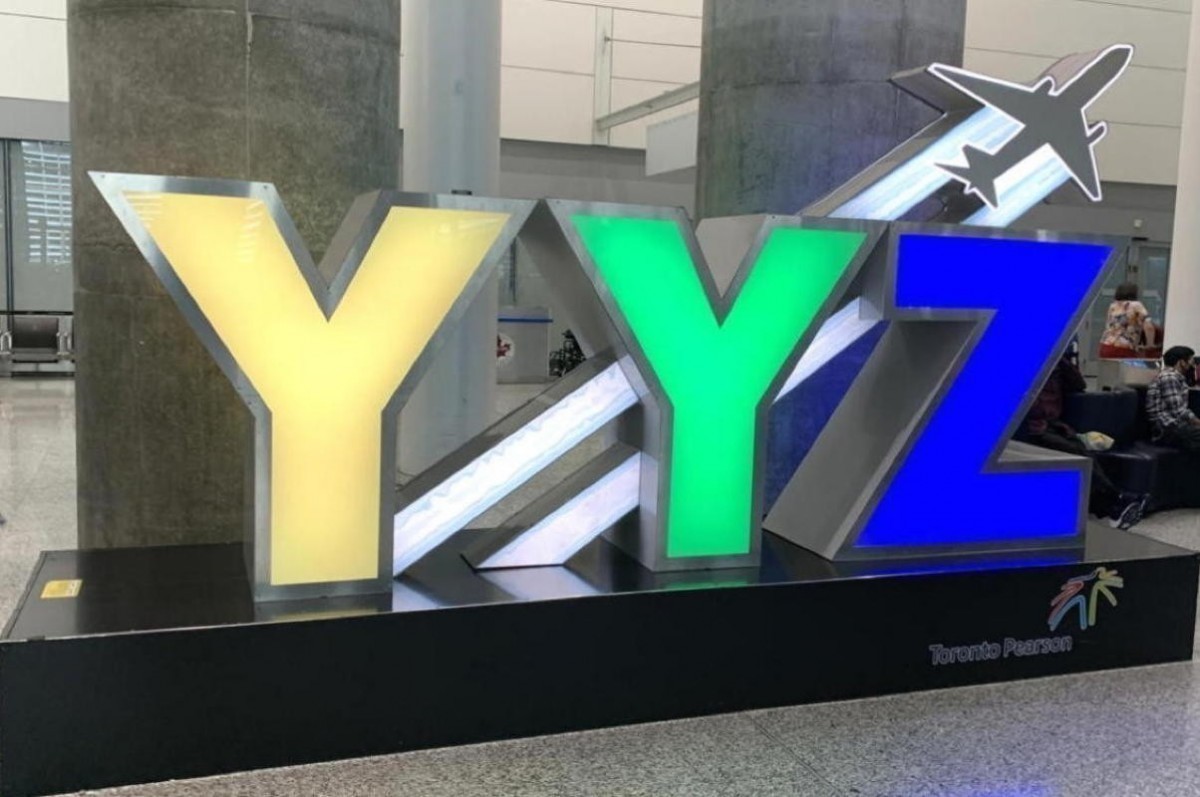
As previously reported, Prime Minister Mark Carney announced Sept. 15 that the federal government is seeking private capital and expertise to operate Toronto Pearson (YYZ), Montréal-Trudeau (YUL), Calgary (YYC) and Vancouver (YVR) airports.
The move would mark a significant change to Canada’s airport operating model. The airports are currently operated by not-for-profit airport authorities on federally owned land under long-term leases.
READ MORE: Ford calls Carney’s airport investment plan “fabulous,” wants Billy Bishop on board
Transport Canada lists Pearson, Montréal-Trudeau, Calgary and Vancouver among the airports it owns and leases to Canadian airport authorities.
Under the proposed model, Ottawa would retain ownership of the underlying land and assets while opening airport operations to private investment.
Carney unveiled the plan during the Canada Investment Summit in Toronto, a two-day gathering held Sept. 14-15 that brought together global investors, Canadian CEOs and public-sector representatives.
Carney said private investment could “unlock” the airports’ “true value” while delivering a “better passenger experience.”
He also argued that Canadian pension funds already have experience investing in airports abroad.
“Canadian pension funds already successfully invest and manage airports around the world. It’s time to bring that same expertise back home to directly benefit Canadians,” Carney said.
Cost remains a key question surrounding the proposal.
When Kapelos again asked MacKinnon whether he could guarantee Canadians would not face higher airfares, the transport minister stopped short of making that commitment.
“We believe that we can put in place agreements, solid agreements, as we go through this process that will reassure Canadians that there will be no unjustified increases in those kinds of fees,” MacKinnon said.
READ MORE: "Canada’s airports are not for sale”: Unifor takes privatization fight to Toronto summit
Further details on exactly how the operating model and regulation would work have yet to be released.
Asked about a timeline for implementing the plan and whether legislation would be required, MacKinnon said Ottawa will provide more information in the coming weeks and months.
The airport proposal has already faced opposition from organized labour.
The Unifor Aviation Council of Canada protested outside the Canada Investment Summit last week, arguing that greater private-sector involvement could negatively affect airport workers.
“Outsourcing and contract flipping already drive down wages, benefits and working conditions, further public sell-offs can only make this crisis worse for airport workers,” Unifor National president Lana Payne said in a press release.
“We have seen over and over again how the sell-off of public infrastructure leaves us more vulnerable economically. If there was ever a time to hold the line and build more public infrastructure, it is now.”
Ontario Premier Doug Ford, meanwhile, has backed Carney’s proposal and is calling for Billy Bishop Toronto City Airport (YTZ) to be considered for private investment as well.
Ford has long been advocating for an expansion of the downtown Toronto airport that would allow it to accommodate jets.
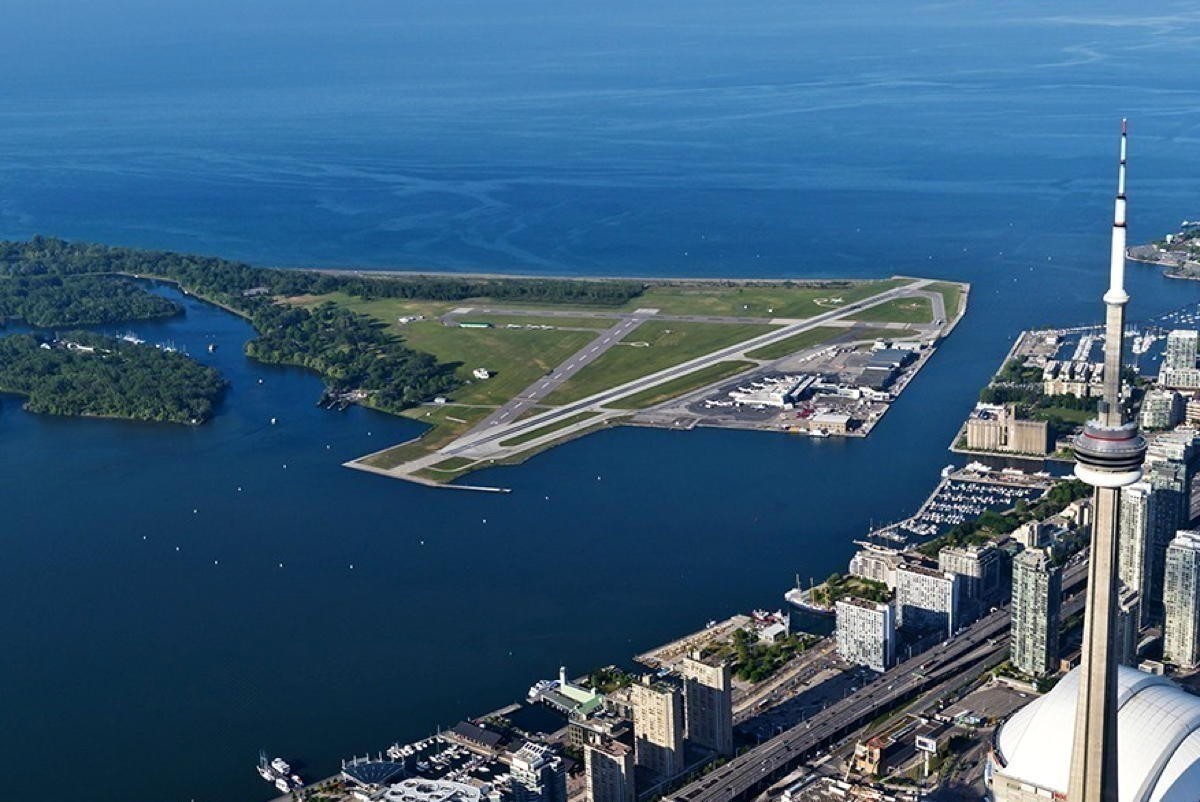
Last week, Ford described Billy Bishop as “shovel ready” and argued that private capital, including Canadian pension funds, could play a greater role in infrastructure development.
“It's not about the government funding everything. We have billions and billions, hundreds of billions, actually over a trillion of pension fund money…We're encouraging all of Ontario and Canadian pension funds to invest, invest into our airports, invest into our nuclear, and invest into the (electricity) distribution,” he told media last week.
Last week, the Air Line Pilots Association (ALPA) Canada raised its own concerns about Carney's airport plan.
“Opening our largest airports to foreign private investment poses significant risks - not only to Canadian sovereignty but airport operations decisions affect runway maintenance, de-icing capacity, staffing and the pace of infrastructure investment, all of which could impact safety, service, affordability, and the long-term sustainability of Canadian jobs," said Capt. Tim Perry, president of ALPA Canada, in a statement.
“For Canada’s pilots, airports are also our workplaces and a fundamental part of the aviation safety system. Any change to how these critical assets are operated must ensure that safety remains the overriding priority and protect the infrastructure, services, and skilled aviation workforce that pilots and passengers rely on every day.
“Canada’s airports are important national assets, and the government must ensure they continue to prioritize the public interest, safety, and the needs of Canadians—not the interests of private investors and shareholders.”
Don't miss a single travel story: subscribe to PAX today! Click here to follow PAX on Facebook.